Introduction
Vietnam sits at the center of one of the most significant supply chain realignments in decades. In 2024, the country disbursed a record $25.35 billion in foreign direct investment — up 9.4% year-on-year — with manufacturing accounting for nearly 67% of total registered FDI. US-China tariffs and ongoing trade tensions have accelerated Vietnam's rise as a manufacturing hub, opening real opportunities for brand builders — and real risks for those who ignore the branding dimension entirely.
Most companies entering or expanding here treat it purely as a cost play. They see lower labor costs, favorable trade agreements, and proximity to China, but overlook the brand equity opportunity entirely. That mindset leaves long-term value on the table, especially as Vietnamese consumers grow more brand-conscious and discerning.
The IMF identifies Vietnam as a primary beneficiary of "geoeconomic fragmentation," noting rising domestic value added in exports to the US. Vietnam is no longer just an assembly point. It is a consumption market with real purchasing power and increasingly strong brand preferences.
TLDR
- Trade tensions position Vietnam as a major regional hub, making brand equity investment more urgent than ever
- 85% of Vietnamese consumers support "Vocal for Local" brands that feel authentic and locally resonant
- Brand trust drives equity — consistency and credibility are what make it stick
- Sustainability credentials are rapidly becoming brand equity multipliers, driven by buyer requirements and consumer awareness
- Insight-led brand strategy built on local relevance, consistent messaging, and trust signals creates durable equity in Vietnam
What Trade Tensions Really Mean for Brand Building in Vietnam
The FDI Surge is Reshaping the Landscape
Trade tensions between the US and China have strategically repositioned Vietnam. Manufacturing and processing attracted $25.58 billion in 2024, representing a 66.9% share of total FDI. Singapore and South Korea led investor rankings, but China topped new project count at 28.3%. First-nine-month data for 2025 showed total registered FDI hit $28.54 billion, up 15.2% year-on-year — momentum that shows no sign of reversing.
The IMF's 2024 Article IV Consultation confirms Vietnam's strategic advantage: the country benefits from "non-alignment" (meaning it trades with all sides without political alignment) and acts as a "connector country" in fragmented trade environments. Vietnamese domestic value added in exports to the US surged starting in 2018, signaling real productive capacity, not just final assembly work.
The Paradox: Opportunity Brings Scrutiny
Trade tensions deliver real business opportunity: more companies setting up operations, more export orders, more FDI flowing in. But the same disruption that creates opportunity also intensifies scrutiny. Vietnamese consumers and B2B partners want to understand who they're buying from and why they should trust them. When tariffs shift supply chains, buyers question origins, quality claims, and long-term commitment.
Starting April 5, 2025, Vietnamese textile, clothing, and footwear exports to the US faced an additional 10% tariff on a sector worth over $71 billion in 2024 exports. Cost pressures like these push consumers toward domestic alternatives and force brands to justify premium pricing through trust and quality signals.
Brand as Risk Mitigation
In volatile trade environments, a strong brand becomes a form of risk mitigation. Buyers and partners in uncertain times gravitate toward recognized, trusted names over unfamiliar ones. Vietnam's national brand value grew from $431 billion in 2022 to approximately $520 billion in 2025 — a 63% increase over five years, ranking 32nd globally. That growth means Vietnamese brands now carry weight in global procurement decisions, not just local ones.
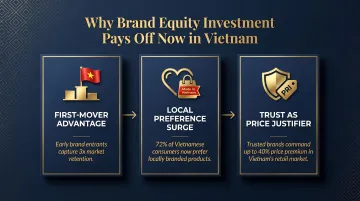
The evidence points to three converging forces that reward brands investing in equity now:
- First-mover advantage: As global competitors reconfigure or pull back, brands that invest in equity-building can establish recognition before the market stabilises
- Local preference surge: NielsenIQ confirms that buying "Made in Vietnam" products ranks among the top three actions consumers take to save money under economic pressure
- Trust as a price justifier: Tariff-driven cost pressures make brand credibility the primary lever for maintaining margin without losing buyers
The 4 Pillars of Brand Equity in Vietnam's Shifting Market
The four classical pillars of brand equity — brand awareness, perceived quality, brand associations, and brand loyalty — remain the right framework for Vietnam's market. Together, they determine the additional value a strong brand commands over generic alternatives. In Vietnam's current environment, each pillar demands a culturally specific approach.
Awareness in a Crowded Market
Brand awareness in Vietnam requires more than digital advertising spend. It demands presence in culturally meaningful contexts:
- Local partnerships that signal genuine community commitment
- Vietnamese-language content tailored to regional dialects and preferences
- Sponsoring community events to build grassroots recognition
- Offline touchpoints where trust begins — even among digitally active audiences
Vietnam's growing middle class is highly connected online, but trust in brands often begins through physical experiences, word-of-mouth, and consistent local presence.
Perceived Quality and the "Made Where?" Question
Trade tensions have made origin and production transparency a live brand equity issue. Vietnamese consumers increasingly ask where products come from and whether quality claims are verifiable.
Brands need to address this directly:
- Supply chain storytelling that explains sourcing and manufacturing processes
- Quality certifications and third-party verification
- Transparent communication about domestic vs. imported components
- Consistent product delivery that matches marketing promises
The 10% US tariff on Vietnamese textiles and footwear has made price-quality trade-offs more visible to consumers, creating pressure to justify costs through demonstrable quality. That's where brand associations become critical: they reinforce perceived value, but only when grounded in cultural truth.
Brand Associations and Cultural Resonance
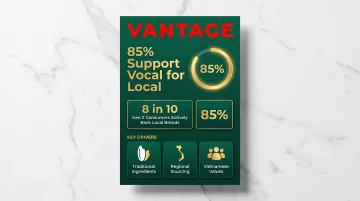
Strong brand associations in Vietnam are built on cultural authenticity. NIQ data shows 85% of Vietnamese consumers support "Vocal for Local — Authentically Vietnam," with 8 in 10 Gen Z consumers actively backing local brands. The preference runs deeper than sentiment: consumers want brands that reflect Vietnamese values, use traditional ingredients, and spotlight regional sourcing.
For foreign brands, this raises the bar considerably:
- Earning cultural relevance rather than assuming it
- Localizing narratives beyond surface-level translation
- Demonstrating genuine understanding of Vietnamese values
- Avoiding generic global messaging that feels disconnected
Examples include skincare brands using traditional Vietnamese ingredients (rice, houttuynia) and food brands spotlighting regionally sourced pomelo, turmeric, and ginger from Ben Tre, Nghe An, and Ha Giang.
Brand Loyalty Through Trust
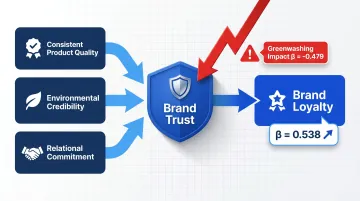
Research on Vietnamese consumers confirms that brand trust consistently mediates brand equity outcomes. A 2024 study published in SAGE Open found brand trust had the strongest direct path to brand loyalty (beta = 0.538) in digital service contexts. A separate e-commerce study ranked brand association marginally higher, but trust remained the critical mediating factor in both.
The practical takeaway: loyalty in Vietnam is earned through consistent delivery on promises, not through price incentives or promotions. Trust is also the most fragile lever. Inconsistency or greenwashing can erode it faster than any competitor pricing move — which makes protecting it the highest-priority brand task.
The Local Preference Shift: What It Means for Regional Brands
Vietnam's "Vocal for Local" trend is not anti-foreign — it's pro-authenticity. Foreign and regional brands can compete effectively if they:
- Localize their narrative to reflect Vietnamese cultural values and priorities
- Demonstrate genuine understanding of what Vietnamese consumers care about
- Avoid generic global messaging that ignores regional context
- Build local partnerships that show investment beyond distribution deals
Economic pressures (tariff impacts, import cost inflation) are pushing Vietnamese consumers toward domestically made or locally relevant alternatives. For regional brands, this creates pressure to demonstrate local investment, community partnerships, and genuine market relevance.
Reframe the Insight
Rather than treating "local preference" as a barrier, treat it as a direct brief: a signal of what Vietnamese consumers actually value. This should inform brand positioning, product storytelling, and community engagement strategy.
The government's "Vietnamese People Prioritize Vietnamese Goods" campaign (launched in 2009) has steadily increased domestic consumption share. The annual "Vietnamese Goods Loved by Consumers" program drew 535,929 votes in 2024 — up 5.55% from 2023, a clear indicator of deepening local brand loyalty.
This connects to a wider shift: Vietnamese consumers are increasingly willing to pay more for local quality they trust. For regional brands, that's not a threat — it's a positioning opportunity.
Trust as Your Anchor: Building Brand Equity When Markets Are Volatile
In uncertain environments — trade disputes, supply chain shifts, economic volatility — trust becomes the primary currency of brand equity. Brands that invested in trust-building before uncertainty struck are far more resilient than those that delayed.
Three Components of Brand Trust in Vietnam
1. Environmental Commitment (Green Trust)
With 99% of Vietnamese consumers expressing concern about climate change and 92% believing it will seriously impact future generations, environmental credibility matters. Research shows green brand trust positively drives green brand equity, while green brand image carries a stronger direct effect — meaning image builds the foundation, and trust reinforces it. Greenwashing most severely damages green trust (beta = -0.479), making authenticity non-negotiable.
2. Operational Credibility
Consistent product quality and availability build trust over time. In a market where supply chain shifts create uncertainty, brands that deliver reliably — even during disruptions — earn equity premiums.
3. Relational Trust
Long-term community and partner relationships signal commitment beyond transactions. Brands that invest in Vietnamese communities, support local suppliers, and build multi-year partnerships demonstrate credibility that short-term market entrants lack.
Sustainability and ESG as Trust Multipliers
International buyers are imposing binding ESG obligations on Vietnamese suppliers through contracts. Three regulatory frameworks now shape market access for Vietnamese suppliers:
- EU Corporate Sustainability Due Diligence Directive (EU CSDD)
- German Supply Chain Due Diligence Act (LkSG)
- EU Carbon Border Adjustment Mechanism (CBAM)
Brands that demonstrate genuine — not performative — environmental commitment build durable equity advantages that compliance-focused competitors cannot easily replicate.
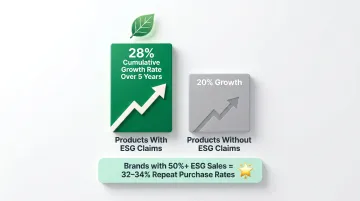
The numbers back this up. Products with ESG-related claims in the US achieved a 28% average cumulative growth rate over five years, compared to 20% for products without such claims. Brands generating more than half their sales from ESG-marketed products saw 32–34% repeat purchase rates.
The Danger of Greenwashing
Vietnamese consumers exposed to global information are becoming more skeptical of unsubstantiated claims. Credibility requires consistency between brand messaging and actual brand behavior. When claims outpace proof, the resulting credibility gap is harder to close than the one that existed before any claim was made.
Practical Steps to Build Regional Brand Equity in Vietnam
Start With Deep Consumer Insight
Conduct deep consumer insight research to understand local values, purchase motivations, and trust signals before committing to positioning. Generic ASEAN messaging will not work in Vietnam's culturally distinct market.
Working with a regional branding partner experienced in Southeast Asian cultural dynamics — like Vantage Branding — can help brands develop positioning that is both globally coherent and locally resonant.
Develop a Clear Brand Narrative
Every successful brand in Vietnam needs a clear story that connects its identity to something meaningful in the Vietnamese context:
- Quality heritage and craftsmanship
- Sustainability and community impact
- Cultural affinity and shared values
- Innovation rooted in local needs
Brands with a clear, authentic story weather trade-related uncertainty more effectively — their equity is built on emotional connection, not just price or availability.
Commit to Consistency
Brand equity in volatile markets is built through sustained, consistent brand behaviour across every touchpoint:
- Product quality that matches promises
- Customer service that reflects brand values
- Partner relationships that demonstrate commitment
- Communications that maintain authentic tone and message
Commit to a long-term view. Vietnam's brand landscape rewards patience and penalizes short-term opportunism. The "Hang Viet Nam Chat Luong Cao" (Vietnamese High-Quality Goods) program has operated for over 29 years, demonstrating the value of sustained quality commitment.
Frequently Asked Questions
What are the 4 pillars of brand equity?
The four pillars — brand awareness, perceived quality, brand associations, and brand loyalty — each build on the others to create the measurable value a strong brand commands over generic alternatives, driving both consumer preference and premium pricing.
How do trade tensions affect brand equity in Vietnam?
Trade tensions accelerate Vietnam's importance as a business hub, intensify consumer scrutiny of brand origins and values, and reward brands that have invested in trust and cultural relevance before uncertainty hits. Brands seen as credible and committed weather volatility better than opportunistic entrants.
Why is brand trust the most important factor for brands in Vietnam?
Trust directly mediates the relationship between brand experience and loyalty in the Vietnamese market — making it the single factor most capable of compounding or collapsing equity over time. It is earned through consistent delivery on quality and environmental promises, and lost faster through greenwashing than through almost any other misstep.
How can foreign brands compete with local brands in Vietnam amid the "Vocal for Local" trend?
Foreign brands compete by localizing their narrative, demonstrating real investment in Vietnamese communities and values, and replacing generic global messaging with culturally resonant storytelling. Market presence alone does not create relevance — deliberate cultural understanding does.
What role does sustainability play in building brand equity in Vietnam?
ESG and environmental credentials are becoming brand equity multipliers in Vietnam, driven by international buyer requirements and growing consumer awareness — 99% of Vietnamese consumers express climate concern. Authentic green practices build durable trust, while greenwashing can erase it faster than almost any other mistake.
How does Vietnam's rising national brand value affect individual businesses operating there?
A stronger national brand creates a "halo effect" that benefits all businesses operating in Vietnam — improving international credibility, easing market entry in export markets, and attracting higher-quality FDI partners. Vietnam now ranks 12th globally for "future growth potential" and 38th for "products and brands the world loves."