This article unpacks the two forces behind brand value: brand equity (the total monetary and perceptual worth of a brand) and brand loyalty (sustained customer commitment over time). You'll learn the five components of brand equity, how loyalty and equity reinforce each other, and the emerging trends reshaping both across Asia in 2024–2025.
TLDR
- Brand loyalty is repeat customer commitment; brand equity is the financial and perceptual value a brand commands
- These forces are mutually reinforcing: loyalty builds equity, strong equity deepens loyalty
- Brand equity rests on five pillars: awareness, loyalty, perceived quality, associations, and proprietary assets
- Key 2025 trends: purpose-driven branding, community-led loyalty, AI-powered personalisation, and transparency as trust currency
- Consistent messaging, customer experience, and authentic storytelling build equity across every touchpoint
What Are Brand Equity and Brand Loyalty?
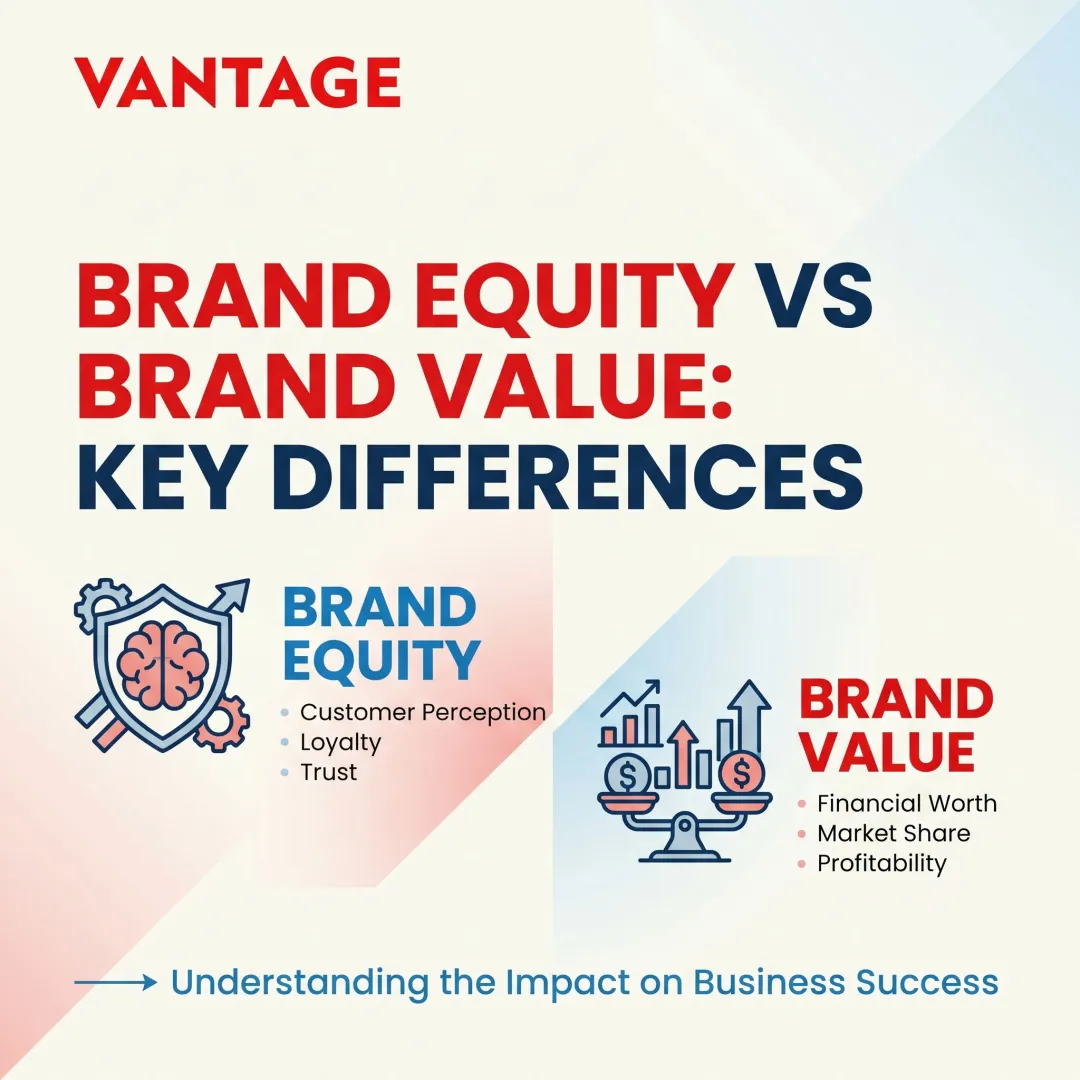
Brand equity and brand loyalty are distinct but deeply interconnected pillars of brand strength. Equity measures the value a brand name adds; loyalty measures the behaviour and commitment that creates that value. Neither exists in isolation — each feeds the other in a continuous cycle.
Brand Loyalty Defined
Brand loyalty is the degree to which customers consistently choose a specific brand over competitors over time, even when alternatives exist or prices are higher. It's built through cumulative positive experiences, not one-time satisfaction.
Two dimensions define complete loyalty:
- Behavioural loyalty — repeat purchase behaviour, measured by frequency and share of wallet
- Attitudinal loyalty — emotional attachment, advocacy, and active preference
Brands need both. Behavioural loyalty without emotional connection is fragile; customers switch when a better deal appears. Acquiring a new customer costs 5 to 25 times more than retaining an existing one, and increasing retention rates by just 5% boosts profits by 25% to 95%, according to research by Bain & Company.
Brand Equity Defined
Brand equity is the additional value a brand name adds to a product or service beyond its functional benefits. It's the premium customers willingly pay because they trust the brand and expect a consistently good experience.
Brand equity can be positive or negative:
- Positive equity — customers pay more, remain loyal, and try new products under the same brand
- Negative equity — customers actively avoid a brand despite similar or better product quality
- Negative equity triggers include product recalls, scandals, inconsistent customer experience, or broken brand promises
Brand equity operates as both a financial asset (revenue premiums, market valuation) and an intangible one (goodwill, reputation, trust). Intangible assets now constitute 92% of S&P 500 market value as of 2025, up from just 17% in 1975. For investors, founders, and marketing teams, that shift makes brand equity impossible to ignore.
The 5 Components of Brand Equity
Brand equity isn't abstract. It's built and measured through five components, each functioning as both building block and diagnostic indicator.
Component 1 — Brand Awareness
Awareness is the foundation: customers cannot prefer or trust a brand they don't recognise. Two levels matter:
- Unaided recall — the brand comes to mind unprompted when a category is mentioned
- Aided recall — the brand is recognised when shown a logo or name
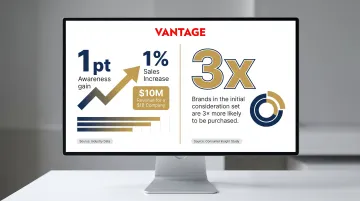
Nielsen research found that a 1-point gain in brand awareness drives a 1% increase in sales on average. For a $1 billion company, that's $10 million in revenue. Brands in the initial consideration set are up to three times more likely to be purchased than those not considered.
Awareness alone doesn't equal equity — it must be paired with positive associations. You can be known and disliked.
Component 2 — Brand Loyalty
Loyalty is both a component and an outcome of brand equity. Loyal customers reduce churn, lower acquisition costs, and drive organic word-of-mouth. As noted earlier, acquiring new customers costs 5 to 25 times more than retaining existing ones, making loyalty a direct profit driver.
Component 3 — Perceived Quality
Perceived quality is the consumer's overall judgment of a brand's superiority. Critically, this is perception-based, not objective. A brand can have perceived quality higher than its actual product specifications — and this perception commands price premiums.
PwC's 2024 Voice of the Consumer Survey found that 79% of consumers cite quality of goods and services as a primary trust factor. Consumers are willing to pay an average 9.7% price premium for sustainably produced goods — a premium driven entirely by quality perception.
Component 4 — Brand Associations
Brand associations are the emotions, images, values, and ideas consumers mentally link to a brand. Strong, positive associations — innovation, reliability, prestige, care — differentiate brands in crowded markets.
Associations can be built deliberately through marketing, storytelling, partnerships, and consistent customer experience. Volvo has made "safety" inseparable from its name; Apple is synonymous with design-led innovation; Patagonia is shorthand for environmental responsibility.
Component 5 — Proprietary Brand Assets
These are the tangible elements that protect and reinforce brand equity, including:
- Logos and visual identity systems
- Taglines and brand voice guidelines
- Trade dress and packaging
- Patents and trademarks
Proprietary assets create legal and competitive barriers that prevent brand dilution and imitation, ensuring your brand identity remains yours alone.
Why Brand Equity and Brand Loyalty Matter for Business Growth
Brand equity delivers direct business impact. Brands with strong equity command price premiums, require less persuasion per sale, and weather competitive or economic disruptions better.
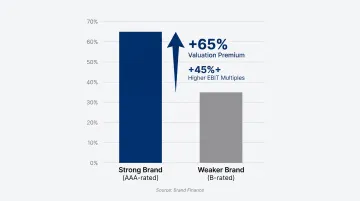
Brand Finance found that stronger branded B2B businesses command a 65% premium in forward price-to-earnings ratios compared to weaker peers. Top-tier brands (rated AAA+/AAA/AAA-) achieve 45%+ higher EBIT multiples than B-rated brands.
The Compounding Effect
Loyal customers don't just spend more over time (higher lifetime value) — they actively bring in new customers through referral and advocacy, reducing marketing spend per acquisition. This compounding effect is particularly powerful for B2B brands and service-based businesses where trust drives buying decisions.
The Asia-Pacific Context
In Asia's fast-moving competitive landscape, brand differentiation is increasingly the primary competitive moat for businesses that cannot compete solely on price. A 2023 survey revealed that only 40.8% of Southeast Asian consumers are loyal to their favourite brands, a figure that signals both the difficulty of retaining customers and the upside for brands that get it right.
Asia Pacific is set to overtake North America as the largest consumer market by 2035, with private consumption expected to grow at 7% CAGR to reach $36 trillion. FMCG value growth in APAC reached 4% (ending June 2025), with India recording 13.7% FMCG value growth in the first half of 2025.
For businesses operating in this expanding market, strong brand equity translates directly into more stable revenue, better valuation multiples, and an easier path to attracting both customers and investors.
Key Trends Shaping Brand Loyalty and Equity Today
Consumer expectations have shifted. What worked five years ago no longer drives attachment. These four trends are reshaping how brands build loyalty and equity across Asian markets in 2025.
Trend 1: Purpose-Driven Branding Is Now a Loyalty Driver
Consumers — especially younger demographics — increasingly align brand loyalty with shared values. Brands that authentically represent social, environmental, or community causes build stronger equity than those competing purely on product features.
Edelman's 2025 Trust Barometer found that 73% of people say their trust in a brand would increase if it authentically reflected today's culture. Notably, 60% of boomers (aged 61+) say they would be less likely to buy from a brand that ignores its obligation to address societal issues.
Kantar's Asia Foundational Study, covering Singapore, Malaysia, Philippines, Thailand, Indonesia, Vietnam, India, Japan, and South Korea, found that 58% of Asian consumers are willing to invest time and money supporting companies that "do good," and 63% are already factoring sustainability into their purchase decisions at least occasionally.
Trend 2: Community-Led Loyalty Is Replacing Transaction-Based Programmes
The shift away from points-based loyalty programmes toward community belonging is accelerating. Brands that create meaningful communities — online or offline — around shared identity or interest build deeper loyalty than those offering discounts alone.
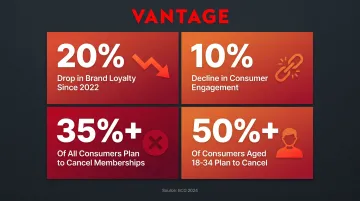
BCG's 2024 Global Survey of Loyalty Program Trends found alarming signals for traditional programmes:
- Brand loyalty has dropped 20% among US consumers since 2022
- Engagement is down 10%
- More than 35% of all respondents plan to cancel some memberships in the next year
- Among younger consumers (ages 18-34), more than 50% plan to cancel some memberships
Case Study: Nike Membership
Nike's community-driven loyalty programme goes far beyond transactional points. Key components include:
- Nike Run Club (NRC) and Nike Training Club (NTC) apps that build active fitness communities
- Exclusive member-only products and early access to launches
- Personalised experiences across in-store, online, and app channels
The results speak to the model's strength: Nike Run Club's Instagram following is 10 times higher than Adidas Runtastic's — a clear signal of what community-focused branding can achieve over product-focused approaches.
Trend 3: Personalisation at Scale Is Raising the Bar for Brand Experience
AI-driven personalisation has raised the bar sharply. Customers now expect brands to remember their preferences, anticipate their needs, and communicate in ways that feel relevant — not broadcast.
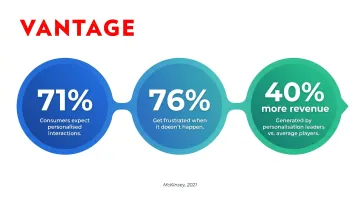
McKinsey's 2021 Personalization Report found:
- 71% of consumers expect companies to deliver personalised interactions
- 76% get frustrated when this does not happen
- 78% said personalised content made them more likely to repurchase
Companies that excel at personalisation generate 40% more revenue from those activities than average players, with typical revenue lift of 10% to 15%.
The upside comes with a real trust risk. PwC's 2024 survey found that 83% of consumers rank personal data protection as the top requirement for earning their trust.
Yet only around half feel confident they understand how their data is stored or shared — and only half are comfortable with it being used for personalised services. That gap between personalisation capability and consumer confidence is where brand equity gets damaged.
Trend 4: Trust and Transparency Are the New Brand Currency
In an era of heightened consumer scepticism — amplified by social media scrutiny — brand transparency (about pricing, sourcing, impact, and mistakes) is becoming a core equity driver. Brands that communicate authentically, including during crises, retain equity better than those that deflect or stay silent.
Edelman's 2025 Barometer reveals that 80% of people trust the brands they use — higher than trust in business generally, media, government, or NGOs. However, most consumers now assume a brand is "complicit" or "hiding something" if it stays silent on relevant societal issues.
Crisis mismanagement destroys equity rapidly. Tropicana's 2009 packaging redesign led to a 20% sales drop in two months and an estimated $50 million total cost. Gap's 2010 logo redesign was reversed in just 6 days after public backlash, costing an estimated $100 million.
Both cases share a common failure: brands made significant decisions without preparing their audiences for the change. The cost wasn't just financial — it was the erosion of accumulated trust. Brands that build equity through consistent, transparent storytelling are far harder to knock off course when things go wrong.
How to Build and Protect Your Brand Equity
Building brand equity is a long-term strategy requiring consistent messaging, customer experience, and brand storytelling. Equity accumulates slowly and erodes fast. Consistency is what holds it together.
Foundational Practices:
- Align visual identity, messaging tone, and customer experience across every touchpoint — social, web, packaging, and in-person
- Invest in brand awareness beyond performance marketing; sustained visibility builds long-term mental availability
- Communicate your brand story clearly, connecting functional benefits to the values behind them
Conduct Regular Brand Audits
Regular brand audits assess how customers currently perceive your brand versus how you intend to be perceived. Gaps between intended and perceived brand identity often explain stalled growth or loyalty erosion.
External brand strategy partners, like Vantage Branding, often uncover what internal teams overlook simply because they are too close to the work. A fresh perspective reveals blind spots and helps realign brand strategy with market reality.
Protect Against Brand Equity Dilution
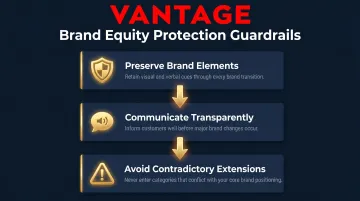
Mergers, rebrands, co-branding, or rapid expansion that blurs the brand's original identity can erode hard-won equity. Apply these guardrails:
- Preserve recognisable brand elements through any transition — the visual and verbal cues customers associate with quality should remain anchored.
- Communicate transparently before major brand changes; customers who feel included in the journey are far less likely to disengage.
- Avoid extending into categories that contradict your positioning — a luxury brand entering budget territory, or a health brand pushing indulgent products, creates confusion that erodes trust.
Frequently Asked Questions
What is brand equity and brand loyalty?
Brand loyalty is a customer's consistent preference for a brand over time, driven by positive experiences and emotional attachment. Brand equity is the total added value — financial and perceptual — that a brand name generates. Both are interconnected, with loyalty being both a component and outcome of strong equity.
What are the 5 components of brand equity?
The five components are brand awareness, brand loyalty, perceived quality, brand associations, and proprietary brand assets (logos, trademarks, patents). Together, they determine a brand's strength and its ability to command price premiums.
How does brand loyalty affect brand equity?
Brand loyalty strengthens equity by increasing repeat purchase rates, reducing price sensitivity, and generating organic word-of-mouth. Strong equity, in turn, reinforces loyalty by giving customers a sense of identity, trust, and exclusivity when choosing that brand.
How do you measure brand equity?
Three key approaches: brand awareness surveys (unaided and aided recall to measure mental availability), brand relevance assessments (Net Promoter Score, customer satisfaction), and brand power tracking (price premium tolerance, market share versus competitors). Together, these metrics quantify both perceptual and financial dimensions of equity.
What is the difference between brand loyalty and brand awareness?
Brand awareness is the first step — whether consumers recognise and recall a brand. Brand loyalty is a deeper stage where customers actively and repeatedly choose that brand over alternatives. Awareness is necessary but not sufficient for loyalty; many consumers know a brand without preferring it.
What are the emerging trends in brand loyalty and equity?
Key shifts include purpose-driven branding, community-led loyalty (belonging over transactional points), AI-driven personalisation, and transparency as a trust builder. Together, these trends are reshaping how brands compete for sustained customer commitment in 2025 and beyond.