Top Financial Branding Agencies to Watch in 2026
Learn the top financial branding agencies to watch in 2026, from fintech specialists to global strategists, and learn how to choose the right partner for your brand.
•

Learn the top financial branding agencies to watch in 2026, from fintech specialists to global strategists, and learn how to choose the right partner for your brand.

Financial services are evolving faster than ever. With fintech disruption reshaping traditional banking, digital-first platforms gaining traction, and wealthtech plus neo-banks redefining user expectations, the market in 2026 is more competitive and far noisier. Strong branding is no longer a cosmetic exercise; it’s a strategic asset. In a landscape where trust and credibility determine adoption, the right brand can differentiate a financial company in seconds, communicate reliability, and accelerate growth.
As financial organisations look to scale, expand into new markets, and sharpen their strategic positioning, understanding the global branding landscape becomes essential. The right partner agency can support these ambitions from rebranding and product launches to creating forward-thinking digital and product experiences.
In this article, we break down the leading financial branding agencies to watch in 2026 and why they matter for Vantage.
Let’s start by taking a quick look at the top financial branding agencies we highlight:
To make the most of this guide, evaluate which agency aligns best with your financial brand’s goals.
Financial branding in 2026 demands more than strong visuals; it requires deep sector expertise, trust-building, and the ability to translate complex financial products into clear, compelling brand experiences.
The agencies below stand out for their strategic capabilities, fintech specialisation, and ability to support institutions navigating rapid digital transformation.
Vantage is a leading branding agency that operates on an evidence-first approach. Research precedes design. Strategic positioning grounds every visual decision. Brand architecture is built to withstand regulatory scrutiny whilst delivering market distinction. The result: systems that don't just communicate, they convert.
The Brand Strategy Lab stands apart in a sector often guided by intuition and tradition. They focus on building brand strategies grounded in solid research, not assumptions. By turning data into meaningful narratives and market insights into clear positioning, they offer a practical approach to branding.
Their methodology is clear: extensive market research drives their branding workshops, uncovering valuable insights that go beyond the obvious. The result is evidence-backed positioning that resonates with sceptical stakeholders.
Sedgwick Richardson has redefined financial branding by integrating ESG (Environmental, Social, and Governance) principles into the core of a brand’s identity. Their approach ensures that sustainability is treated as a strategic priority rather than a marketing tool.

Superunion works with large-scale rebranding projects, focusing on creating cohesive identity systems across multiple markets and cultures. They go beyond simple logo updates, aiming to build comprehensive brand identities that can adapt to complex organisational structures and international expansion.
Their strategy involves treating brands as evolving systems that need to grow and adapt with the business. Whether dealing with mergers, regional expansions, or strategic repositioning, they offer creative solutions that handle the challenges of large organisations.
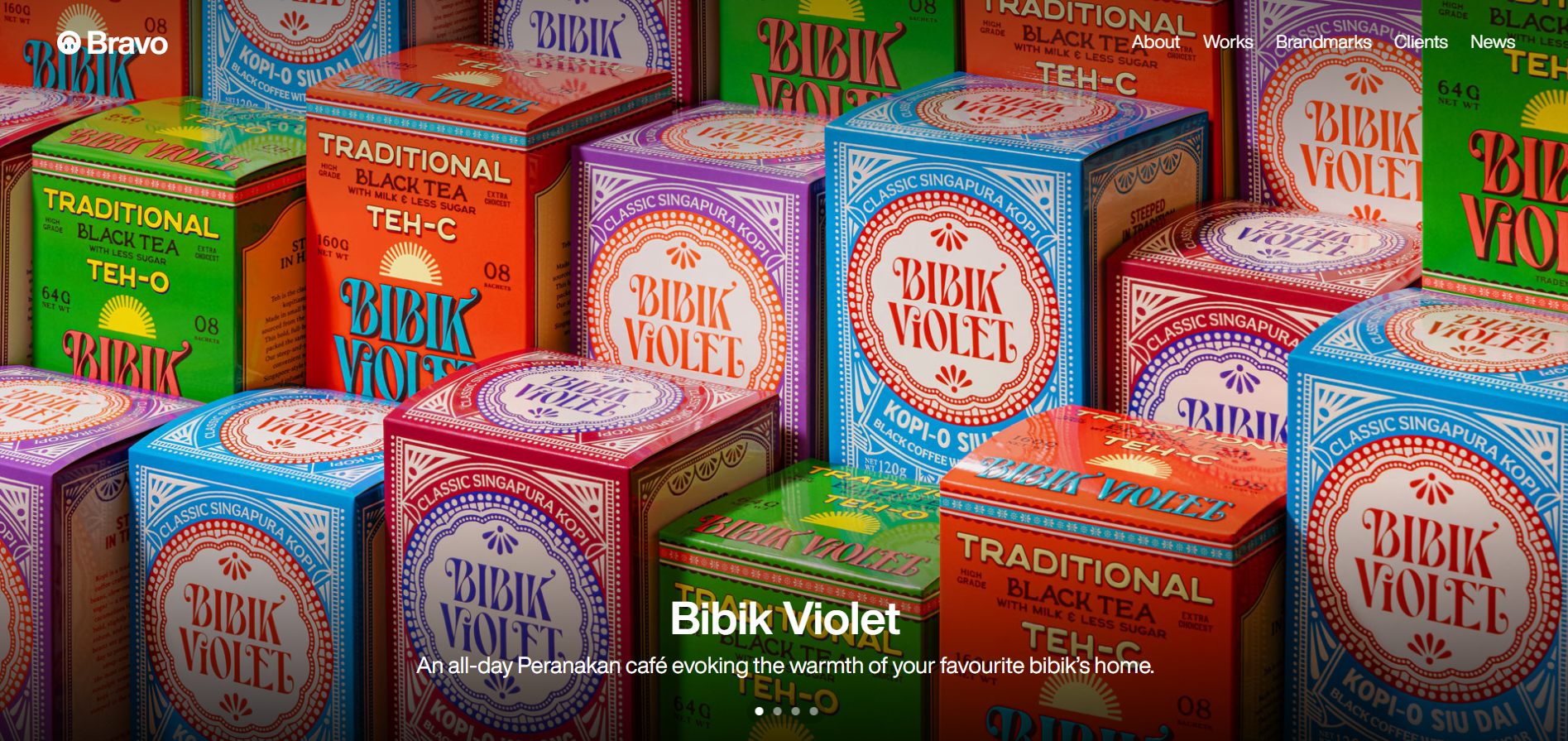
Bravo focuses on helping businesses build brands that make sense in Southeast Asian markets, where cultural context is important. Their experience includes insurance and finance, where rebranding often requires clear communication rather than heavy design work.
As an Enterprise Singapore RMC-certified consultant, they also support clients applying for EDG grants, which can help smaller firms manage branding costs.

Foreign Policy Design Group has been working since 2007 and is known for its attention to detail. They treat financial branding similarly to editorial or architectural work, focusing on how people experience a brand rather than just how it looks.
They have worked with clients such as The Fullerton Hotel Singapore and Gleneagles Hospital Group, especially where brand presentation and consistency matter.
Creative For More works mostly with financial startups and SMEs that need branding support without large budgets. They focus on building brands that look modern, convey trust, and help founders present their businesses clearly to customers and potential hires.
They work across Singapore and Japan, giving them familiarity with both markets. They are also EDG-approved consultants and help eligible companies apply for branding-related grants.

The Brand Theatre focuses on using storytelling to help banks and B2B organisations communicate their purpose, values, and customer promise more clearly. Their work is centred on creating consistent brand messaging that can be used across internal and external communication.
Brand Finance is also a leader in brand valuation and financial brand strategy, with deep expertise in linking brand value to business performance. Since 1996, it has focused on bridging the gap between marketing and finance, making it uniquely qualified to deliver brand development that drives measurable business outcomes for financial institutions.

DDB Singapore focuses on practical branding for corporate finance and retail banking. They place strong emphasis on messaging, positioning, and communication that can be easily rolled out across different teams and channels.
Their approach is grounded in tying strategy to day-to-day execution.
In finance, choosing a branding partner isn't about picking a vendor; it's about finding a translator between ambition and trust. The right agency must think like a compliance officer, dream like a designer, and strategise like a CFO. They don't just create logos; they architect confidence.
When evaluating agencies, start with one essential question: Who can make the complex feel inevitable?
Let’s look at the five key critical factors for selecting the right agency.
Look for proven credentials in your specific domain, whether fintech, wealth management, institutional finance, or digital banking. The right agency speaks your language: basis points, blockchain, regulatory filings. They understand that a financial rebrand isn't a creative exercise; it's a stakeholder ballet.
What to ask: Request case studies in your sector. Probe how they've navigated industry-specific challenges. Listen for authentic understanding, not surface-level buzzwords.
Excellence in financial branding requires versatility. Evaluate whether the agency offers:
What to ask: Don't just review their portfolio, understand their process. How do they integrate these capabilities? Where do they partner versus build in-house?
The best financial designers don't break rules; they bend them brilliantly. Seek agencies that have cracked the fundamental tension: building distinctive, modern brands within rigid regulatory guardrails. Prioritise those who've tackled multi-product architectures where every sub-brand must harmonise without triggering compliance issues.
What to ask: Request examples of how they've pushed creative boundaries whilst maintaining regulatory integrity. Ask about projects that failed compliance initially and how they pivoted.
Examine their track record with recognisable institutions or fast-scaling fintechs that operate at startup velocity whilst adhering to institutional standards. These aren't just portfolio pieces; they're evidence of thinking that scales with organisational growth.
What to ask: Go beyond the work itself. Understand the client relationship. Were they strategic partners or execution arms? What measurable outcomes did the rebrand achieve?
This separates competent work from work that survives scrutiny. The right agency navigates compliance without compromising creativity. They know taglines need legal review and understand that colour palettes can carry systemic risk implications. Regulatory fluency isn't a constraint; it's a competitive advantage.
What to ask: How do they integrate compliance review into their creative process? Who on their team has regulatory expertise? Request examples of how they've turned regulatory requirements into brand differentiators.
The future of trust, credibility, and digital experience across the sector. These firms stand out not only for their creative strength but also for their deep understanding of regulation, user behaviour, and the nuances of financial decision-making, qualities that make them essential partners in an increasingly competitive market.
At Vantage, evidence shapes elegance. We specialise in transforming financial brands from market participants into market leaders, defining identity, crafting visual authority, and building digital experiences that convert stakeholder attention into tangible business outcomes.
Contact us today for a strategy branding session to build a strong market perception of who you are and what you're worth.
1. What makes a financial branding agency different from a general branding firm?
Financial branding agencies specialise in regulated, trust-driven markets. They understand compliance, credibility signals, and investor psychology. This expertise helps them craft brands that reassure, convert, and endure.
2. How long does a full rebrand usually take?
Most financial-sector rebrands take 12–16 weeks, depending on scope. Complex categories like fintech or asset management may take longer. Timelines include strategy, identity development, testing, and rollout.
3. What should I prepare before engaging a branding agency?
Gather your business goals, audience insights, and current brand assets. Clarify internal alignment on vision, positioning, and success metrics. This preparation speeds up discovery and ensures stronger outcomes.
4. How do I know which agency model is right for my company?
Different models, boutique, full-service, or specialty, offer unique value. Your choice depends on project scale, internal resources, and long-term goals. A short consultation can help map your needs to the right model.
5. What kind of ROI can financial branding deliver?
Strong branding improves trust, retention, and perception in competitive markets. It typically boosts lead quality, investor confidence, and pricing power. ROI grows over time as brand consistency strengthens market positioning.
.jpg)



Partner with us to experience strategic creative excellence that drives real business results


